



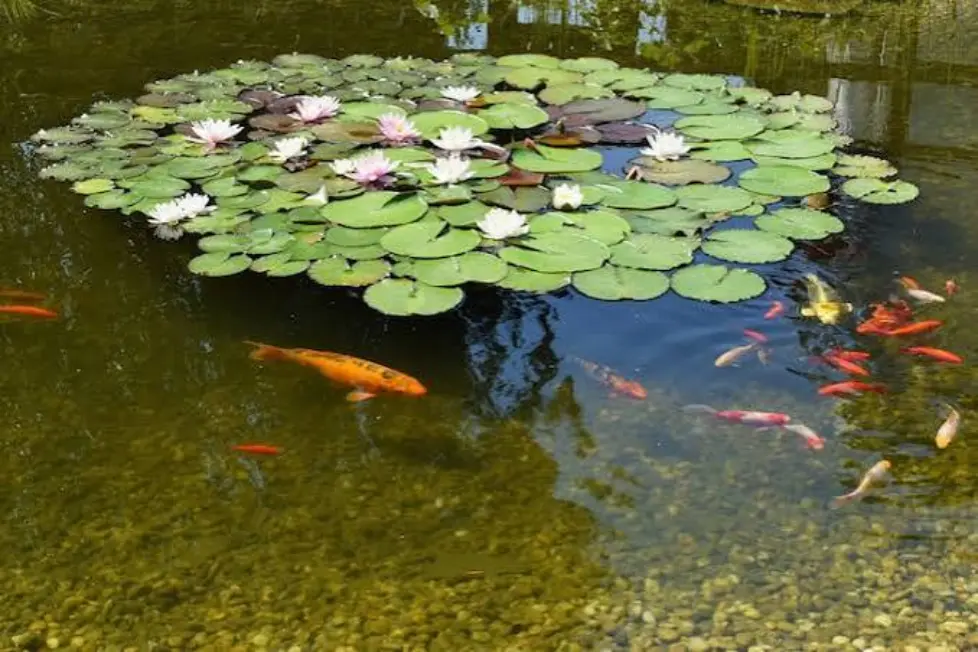
Ponds can transform gardens, estates, farms and rural properties, creating attractive landscape features while providing valuable habitats for wildlife. However, creating a successful pond involves much more than simply digging an area of land and filling it with water.
Pond excavation in the UK requires careful consideration of ground conditions, drainage, pond design, access, excavation equipment and environmental factors. Whether you are planning a small wildlife pond or a larger rural water feature, understanding the pond digging and construction process can help you make informed decisions before work begins.
This guide explores everything you need to know about pond excavation, pond digging and pond construction in the UK, including site preparation, soil conditions, excavation methods and important planning considerations.
What Is Pond Excavation?
Pond excavation is the process of removing soil, clay, stone and other materials to create a pond to a planned size, shape and depth.
The excavation method depends largely on the size of the proposed pond and the conditions of the site. Small garden ponds may be excavated manually or with compact machinery, while larger ponds typically require excavators and other earthmoving equipment.
Professional pond excavation contractors can assess the site before digging begins, helping to determine the most suitable excavation method and pond design.
Why Consider Pond Excavation?
There are many reasons why homeowners and landowners choose to create ponds.
Creating a Wildlife Pond
A well-designed wildlife pond can provide an important habitat for amphibians, insects, birds and aquatic plants. Even a relatively modest pond can increase biodiversity within a garden or rural landscape.
Improving Your Landscape
A pond can become an attractive focal point within a garden, estate or larger property. Careful pond construction can integrate the water feature naturally into the surrounding landscape.
Supporting Biodiversity
Ponds can contribute to a more diverse ecosystem, particularly when they incorporate shallow margins, native planting and different water depths.
Managing Surface Water
In suitable circumstances, ponds can form part of a wider surface-water management strategy. Their ability to temporarily hold water can be useful in some landscapes, although the design must take account of site-specific drainage conditions.
Rural and Agricultural Projects
Larger ponds may be created on farms, estates and rural properties for habitat creation, landscape improvements or other land-management purposes.
Planning a Pond Excavation Project
Good planning is essential before any pond digging begins.
The proposed site should be assessed for:
- Soil and ground conditions
- Existing drainage
- Natural contours and ground levels
- Underground services
- Existing vegetation
- Nearby buildings and structures
- Access for excavation machinery
- Existing ponds, streams and watercourses
- Potential environmental restrictions
- The intended use of the pond
Taking these factors into account at the beginning can help prevent costly changes once excavation has started.
Choosing the Right Location for a Pond
The location of a pond can have a major impact on its performance and maintenance requirements.
A suitable site should complement the surrounding landscape while allowing water to be retained effectively. The area’s natural drainage patterns should also be understood before excavation.
For a garden pond, visibility and access may be important. For a wildlife pond, the surrounding vegetation and exposure to sunlight can influence its ecological value.
For larger pond construction projects, access for excavators, dumpers and other machinery should also be considered.
Understanding Soil Conditions
Soil is one of the most important considerations during pond excavation in the UK.
Different soil types behave differently when exposed to water. Clay-rich soils can sometimes provide good natural water retention, whereas sandy or highly permeable ground may allow water to drain away quickly.
Ground conditions can also affect the stability of the pond banks.
Before beginning pond digging, it can be useful to establish whether the existing ground is capable of retaining water or whether additional measures, such as a liner or clay lining, may be necessary.
How Does Pond Digging Work?
Although every project is different, professional pond digging generally follows a structured process.
1. Site Assessment
The first step is to assess the proposed pond location. This includes examining the ground, access, drainage, existing vegetation and surrounding landscape.
2. Marking Out
The pond’s proposed shape, dimensions and position are marked on the ground.
This provides an opportunity to check how the pond will fit within the landscape before excavation machinery arrives.
3. Removing Vegetation and Topsoil
Vegetation, turf and topsoil are removed from the excavation area.
Where practical, suitable topsoil can be stored and reused during landscaping around the completed pond.
4. Excavating the Pond
Excavation equipment is then used to remove the required volume of soil.
The pond is excavated progressively to achieve the planned dimensions, depth and profile.
5. Creating Pond Banks and Shelves
The sides of the pond should be carefully shaped rather than simply excavated vertically.
Gentle slopes and shallow shelves can improve bank stability and create valuable habitat for marginal plants and wildlife.
6. Preparing the Pond Base
The base and sides are checked and prepared once the main excavation is complete.
Where a liner is being installed, sharp stones, roots and other materials that could cause damage may need to be removed.
7. Installing a Liner if Required
Depending on the soil conditions, the pond may require a suitable lining system to retain water.
The appropriate solution depends on the pond’s size, design, ground conditions and intended use.
8. Filling and Landscaping
Once the construction work is complete, the pond can be filled using an appropriate water source.
The surrounding area can then be landscaped and planted to create a natural transition between the pond and the wider property.
How Deep Should a Pond Be?
There is no universal depth for every pond.
The ideal depth depends on the purpose, size and design of the pond. Wildlife ponds often benefit from a combination of shallow margins and deeper sections rather than a completely uniform profile.
Creating different depths can provide a wider range of habitats for aquatic plants and wildlife.
For larger ponds, careful consideration should also be given to bank stability, access and long-term maintenance.
What Happens to Excavated Soil?
One of the biggest practical considerations during pond excavation is what happens to the material removed from the site.
Even a relatively small pond can produce a substantial amount of excavated soil. Larger projects can generate significant volumes requiring careful management.
Depending on the site, excavated material may potentially be:
- Reused elsewhere on the property
- Used for suitable landscaping
- Used to create natural contours
- Stored temporarily
- Removed from the site
The handling and disposal of excavated material should be planned before the project starts. Soil should not simply be deposited elsewhere without considering environmental, drainage and legal implications.
Pond Excavation Contractors: When Should You Hire Professionals?
Small decorative ponds may be suitable for some DIY projects, particularly when excavation is limited.
Larger or more complex projects are generally better suited to experienced pond excavation contractors.
Professional contractors can provide valuable assistance with:
- Site preparation
- Excavation planning
- Machinery selection
- Soil management
- Pond profiling
- Bank formation
- Access planning
- Liner preparation
- Drainage considerations
- Landscaping preparation
Using experienced professionals can also help reduce the risk of problems caused by unstable banks, unsuitable excavation depths or poor water management.
Pond Construction and Drainage
Drainage should be considered as an integral part of pond construction.
A pond needs to cope with changing water levels throughout the year. During periods of heavy rainfall, excess water needs to be managed appropriately.
Depending on the site, a suitable overflow or outlet may be required. The design should ensure that excess water does not create unwanted erosion, flooding or damage to neighbouring land or structures.
Professional assessment can be particularly important when constructing a pond close to existing drainage systems, streams or watercourses.
Creating a Wildlife-Friendly Pond
If your main objective is biodiversity, pond construction should incorporate wildlife-friendly features from the outset.
These may include:
- Shallow edges
- Gradual banks
- Deeper central areas
- Native aquatic plants
- Marginal planting
- Natural vegetation
- Sheltered areas
- Varied pond depths
A natural-looking pond can provide a more diverse habitat than one with uniformly steep sides.
It is also important to consider the surrounding landscape. Plants, hedgerows and other habitats around the pond can help create a more connected environment for wildlife.
Pond Excavation and UK Regulations
Before starting a significant pond excavation project, it is important to establish whether any planning, environmental or other permissions apply.
Requirements can vary depending on factors such as:
- Pond size
- Location
- Intended purpose
- Proximity to watercourses
- Protected land or habitats
- Existing wildlife
- Ground and drainage conditions
Particular care should be taken when modifying an existing pond, as established ponds can support protected species and important habitats.
Where a project could affect a watercourse, groundwater, drainage system or protected habitat, professional environmental advice may be appropriate before work begins.
Common Pond Digging Mistakes to Avoid
Choosing the Wrong Location
Poor positioning can result in drainage issues, water loss or problems with surrounding structures and land.
Underestimating the Amount of Excavated Soil
The quantity of material produced during pond digging can be considerable. A clear plan for reuse or removal should be established in advance.
Ignoring Soil Conditions
A pond excavated in highly permeable ground may struggle to retain water without additional measures.
Creating Overly Steep Banks
Very steep banks can be unstable and may provide fewer opportunities for wildlife and planting.
Failing to Plan for Overflow
Water levels can change significantly during periods of heavy rainfall. A suitable approach to excess water should be considered during pond design.
Beginning Work Without Checking Requirements
Depending on the location and nature of the project, permissions or environmental considerations may apply. Checking these before excavation can help avoid unnecessary complications.
How Much Does Pond Excavation Cost in the UK?
The cost of pond excavation in the UK varies considerably from one project to another.
Important cost factors can include:
- Pond size
- Excavation depth
- Soil type
- Ground conditions
- Machinery requirements
- Site access
- Quantity of excavated material
- Soil removal or disposal
- Pond lining
- Drainage requirements
- Landscaping
- Planting and finishing work
A small garden pond may require relatively little excavation, whereas a large rural pond could involve substantial earthmoving and construction work.
For this reason, obtaining a site-specific quotation from experienced pond excavation contractors is usually more useful than relying on a standard price guide.
DIY Pond Excavation vs Professional Excavation
DIY pond digging can be practical for small garden projects where excavation is straightforward.
However, larger ponds can quickly become complex. Heavy machinery, soil removal, water management and bank stability all need to be considered.
Professional pond excavation contractors can help manage the technical and practical aspects of the project, from initial site assessment through to excavation and preparation for pond construction.
Maintaining Your New Pond
Pond construction does not end once the water has been added.
Over time, ponds can accumulate leaves, silt and organic material. Plants may spread, banks can change and water levels will naturally fluctuate.
Regular maintenance can help keep the pond healthy and attractive.
Depending on its size and purpose, maintenance may include:
- Removing excessive vegetation
- Managing invasive growth
- Clearing accumulated debris
- Checking pond banks
- Monitoring water levels
- Maintaining surrounding vegetation
- Inspecting drainage and overflow arrangements
Planning for maintenance during the original pond excavation and construction process can make future upkeep considerably easier.
Final Thoughts on Pond Excavation in the UK
A well-designed pond can add beauty, biodiversity and character to a UK garden, estate, farm or rural property. However, successful pond excavation and pond construction require careful planning and an understanding of the site’s unique conditions.
From choosing the right location and assessing soil to managing excavated material and designing effective drainage, every stage of the project can influence the final result.
Whether you are planning a small wildlife pond or a larger landscape project, experienced pond excavation contractors can help ensure that the excavation is carried out safely, efficiently and with the long-term performance of the pond in mind.
With the right planning, professional expertise and appropriate pond design, pond digging in the UK can create a lasting feature that enhances your property while supporting the natural environment.
