


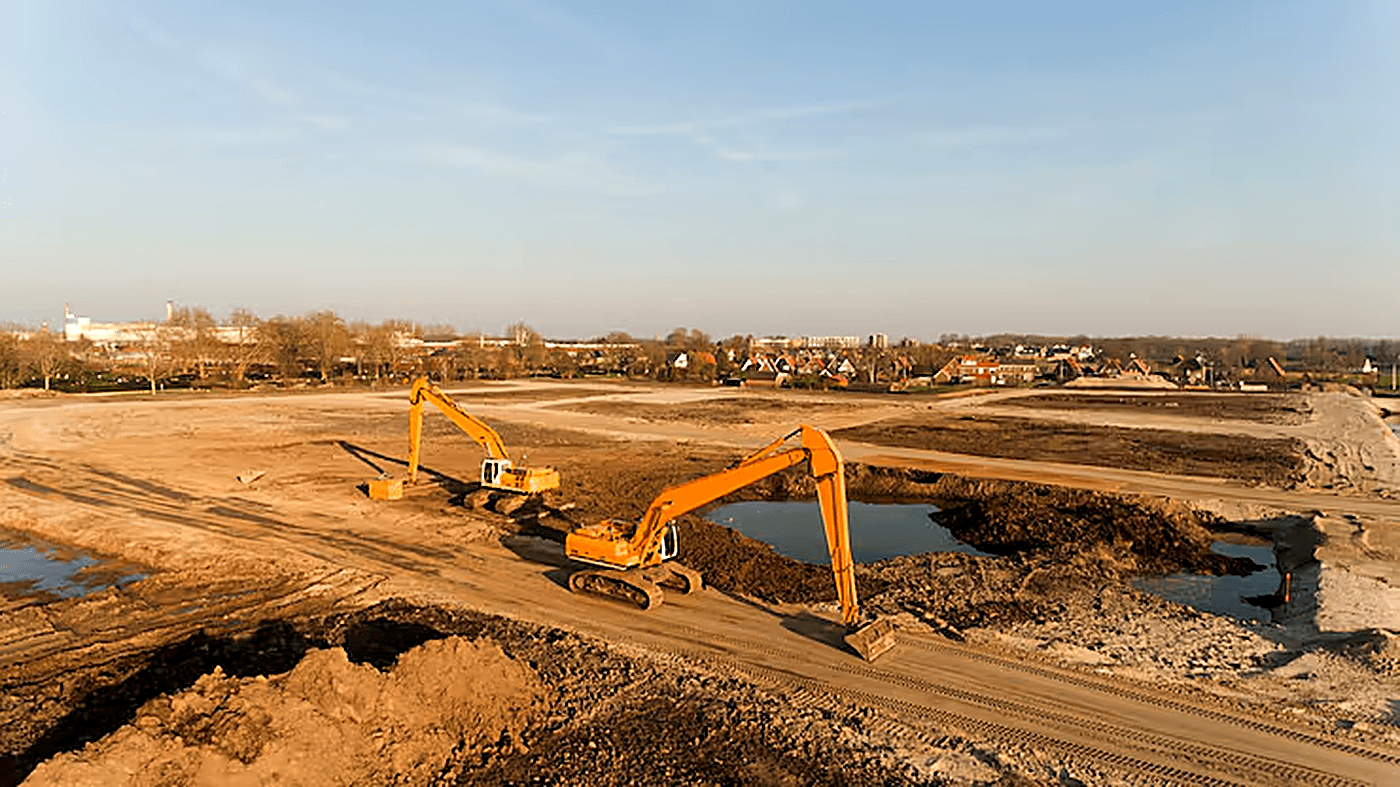
Demolition and site clearance are often the first major steps in preparing a property or parcel of land for redevelopment. Whether an old building needs to be removed, a commercial site requires clearing or land is being prepared for a new construction project, professional site preparation provides the foundation for everything that follows.
From structural demolition and debris removal to hazardous material management, utility disconnection, recycling and ground preparation, every stage needs to be carefully planned and managed. In the UK, demolition work must also take account of relevant building, health and safety, environmental and waste regulations.
Using an experienced demolition and site clearance contractor can help reduce risks, manage waste responsibly and ensure the site is left in a suitable condition for its next phase of development.
What Does Demolition and Site Clearance Involve?
Demolition and site clearance cover considerably more than simply bringing down a building. A professional project may include several interconnected stages, depending on the property, site conditions and intended redevelopment.
Typical services can include:
- Structural demolition – Safely dismantling or demolishing existing buildings and structures.
- Site clearance – Removing rubble, vegetation, unwanted structures and other obstructions from the site.
- Debris removal – Sorting, transporting and disposing of demolition waste responsibly.
- Hazardous material management – Identifying and arranging the appropriate removal of materials such as asbestos or contaminated materials.
- Utility disconnection – Ensuring services such as electricity, gas, water and drainage are safely isolated where required.
- Material recycling – Recovering materials including concrete, brick, metal, timber and other suitable materials.
- Ground preparation – Clearing and preparing the land for future construction, landscaping or other works.
The precise requirements vary from one project to another. A residential demolition project, for example, may involve very different considerations from the demolition of a warehouse, industrial building or commercial premises.
The Demolition and Site Clearance Process
A successful demolition project starts well before machinery arrives on site. Careful planning helps identify potential hazards, establish the correct demolition method and ensure the necessary arrangements are in place.
Site Assessment and Planning
The first stage is a detailed assessment of the site and existing structure. This can involve reviewing the building, its construction, surrounding properties, access arrangements, ground conditions and potential hazards.
The contractor can then develop a suitable method of working based on the structure and the surrounding environment.
Planning is particularly important where demolition is taking place close to neighbouring properties, roads, occupied buildings or other structures.
Surveys, Permissions and Compliance
Depending on the project, surveys, notifications, permissions and other regulatory requirements may need to be addressed before demolition begins.
A suitable assessment of the building should also identify potential hazardous materials. For older UK properties, asbestos is an important consideration, particularly where materials may have been installed before the use of asbestos was prohibited.
Working with appropriately qualified professionals helps ensure that relevant requirements are considered before physical demolition starts.
Hazardous Material Management
Hazardous materials need to be identified and managed appropriately before and during demolition.
Asbestos is a particular concern in many older commercial and residential buildings. Other potentially hazardous materials may also be encountered depending on the age and previous use of the property.
Where hazardous materials are identified, appropriate procedures should be followed for their removal, handling, transportation and disposal.
Utility Disconnection
Existing utilities should be identified and safely isolated before demolition work begins.
This can include electricity, gas, water, drainage and telecommunications services. Failure to properly establish the location and condition of services can create significant safety risks and potentially cause disruption to surrounding properties.
Structural Demolition
Once the necessary preparation has been completed, the building can be dismantled or demolished using the most appropriate method.
Mechanical demolition using excavators and specialist attachments is common for many projects. However, the approach depends on the size and construction of the building, site access, surrounding structures and project requirements.
In some situations, sections of a structure may need to be carefully dismantled rather than demolished using conventional mechanical methods.
Debris Removal and Waste Management
Demolition can generate substantial quantities of waste, making effective waste management an important part of the project.
Materials can be separated during the clearance process, allowing suitable items to be recovered for recycling or reuse. Concrete and masonry may be processed into aggregate, while metals can often be recovered for recycling.
Responsible waste management can reduce the amount of material sent to landfill while supporting a more sustainable approach to construction and redevelopment.
Final Site Clearance and Ground Preparation
After the structure and demolition waste have been removed, the site can be cleared and prepared for its next stage.
Depending on the project, this may involve removing remaining obstructions, levelling areas of ground, dealing with foundations or preparing the surface for future construction or landscaping.
A properly prepared site provides a cleaner and safer starting point for the next phase of development.
Demolition or Deconstruction: Which Approach Is Suitable?
Not every building needs to be demolished in exactly the same way. Depending on the structure and project objectives, traditional demolition or a more controlled deconstruction approach may be considered.
Mechanical Demolition
Mechanical demolition uses specialist machinery, such as excavators fitted with demolition attachments, to dismantle structures efficiently.
It can be suitable for many larger projects where speed, access and controlled removal are important considerations.
High-Reach Demolition
High-reach machinery can be used where taller structures need to be dismantled from a controlled position.
This approach can help operators work at a suitable distance from the structure while progressively reducing its height.
Selective Demolition
Selective demolition involves carefully removing specific sections, materials or components of a structure rather than simply demolishing everything.
It can be useful for refurbishment projects, partial demolitions or buildings where certain materials or architectural features need to be retained.
Deconstruction
Deconstruction takes a more methodical approach by dismantling a structure and recovering as many reusable materials as practical.
Depending on the building, materials such as timber, bricks, fixtures, fittings and architectural components may be suitable for reuse or recycling.
Although deconstruction can require more time and labour, it can support waste reduction and material recovery where the project makes it practical.
Why Waste Management Matters During Demolition
Responsible waste management is an increasingly important consideration for UK construction and demolition projects.
Rather than treating all demolition debris as general waste, materials can be assessed and separated wherever practical.
Potentially recoverable materials may include:
- Concrete and masonry
- Metals
- Timber
- Bricks
- Fixtures and fittings
- Certain construction materials suitable for reuse or recycling
Separating materials can help reduce landfill waste and improve resource recovery.
It is also important that demolition waste is handled, transported and disposed of in accordance with applicable UK requirements.
Safety Considerations for Demolition Projects
Demolition is a specialist activity with a range of potential hazards. These can include unstable structures, falling materials, hidden services, hazardous substances, dust, machinery and risks to neighbouring properties or members of the public.
Professional demolition planning should therefore consider:
Structural Stability
The sequence of demolition needs to be carefully planned to reduce the risk of uncontrolled collapse.
Site Security
Suitable fencing, signage, controlled access and exclusion zones can help prevent unauthorised access and protect people around the site.
Dust and Debris Control
Appropriate measures can be used to manage dust and airborne debris, particularly where demolition is taking place near homes, businesses or public areas.
Machinery and Equipment
Specialist demolition machinery should be selected according to the structure and site conditions. Operators should be suitably trained and work should be carried out using appropriate safety procedures.
Public and Neighbouring Property Protection
Urban and residential demolition projects require particular attention to surrounding buildings, roads, pedestrians and nearby occupants.
Good communication and careful site management can help reduce disruption throughout the project.
Sustainable Demolition and Site Clearance
Sustainability can be incorporated into demolition and site clearance through effective material recovery and responsible waste management.
Where practical, contractors can:
- Sort demolition waste on site
- Recycle metals and other suitable materials
- Process concrete and masonry for appropriate reuse
- Salvage reusable building components
- Reduce unnecessary landfill disposal
- Manage hazardous materials responsibly
- Minimise dust and other environmental impacts
Deconstruction can also play a role where recovering materials is more appropriate than conventional demolition.
The right approach will depend on the condition of the building, available materials, project timescales and the intended future use of the site.
Commercial and Industrial Demolition
Commercial and industrial demolition projects can involve additional challenges compared with smaller residential properties.
Factories, warehouses, offices and other commercial buildings may contain substantial structural elements, plant, machinery, services or specialist installations.
Industrial sites can also have a history of previous uses that needs to be considered during the planning process.
A professional contractor can assess the site and develop a demolition strategy that takes account of:
- Structural complexity
- Site access
- Existing services
- Hazardous materials
- Nearby buildings and businesses
- Traffic and pedestrian movements
- Waste volumes
- Project timescales
- Environmental considerations
Careful planning becomes particularly important when demolition is being carried out in an occupied commercial environment or in a densely developed area.
Demolition in Urban and Residential Areas
Demolition within towns, cities and residential areas presents its own set of challenges.
There may be limited access for machinery, neighbouring properties close to the structure, busy roads, pedestrians and restrictions around noise and dust.
For these projects, demolition methods and site logistics need to be carefully considered before work begins.
Controlled dismantling, suitable machinery, secure exclusion zones and effective communication can all contribute to safer and more efficient site operations.
Why Use a Professional Demolition and Site Clearance Contractor?
Choosing an experienced contractor can make a significant difference to the safety, efficiency and organisation of a demolition project.
Safer Project Management
Professional contractors understand the hazards associated with demolition and can develop appropriate working methods and safety controls.
Efficient Demolition
The right combination of machinery, equipment and experience can help ensure structures are removed efficiently while maintaining control over the work.
Responsible Waste Management
A structured approach to sorting, recycling and disposal can help reduce unnecessary waste and support more sustainable site clearance.
Better Risk Management
Professional planning helps identify potential issues before demolition begins, including structural concerns, hazardous materials, access restrictions and utility services.
A Site Ready for Its Next Stage
The objective is not simply to remove a building. Effective site clearance should leave the land in a suitable condition for its next phase, whether that means construction, redevelopment, landscaping or another use.
Preparing Your Site for Its Next Chapter
Demolition and site clearance provide the starting point for many construction and redevelopment projects across the UK. From removing an outdated residential building to clearing a complex commercial or industrial site, successful demolition depends on thorough planning, safe working practices and responsible waste management.
Every site is different, so the most suitable demolition method and clearance strategy should be determined by the structure, location, surrounding environment and future plans for the land.
By working with an experienced demolition contractor, property owners, developers and construction professionals can approach site clearance with greater confidence and ensure the groundwork is in place for what comes next.
Planning a demolition or site clearance project? Professional assessment and careful planning can help you prepare your UK site safely, efficiently and responsibly.
