



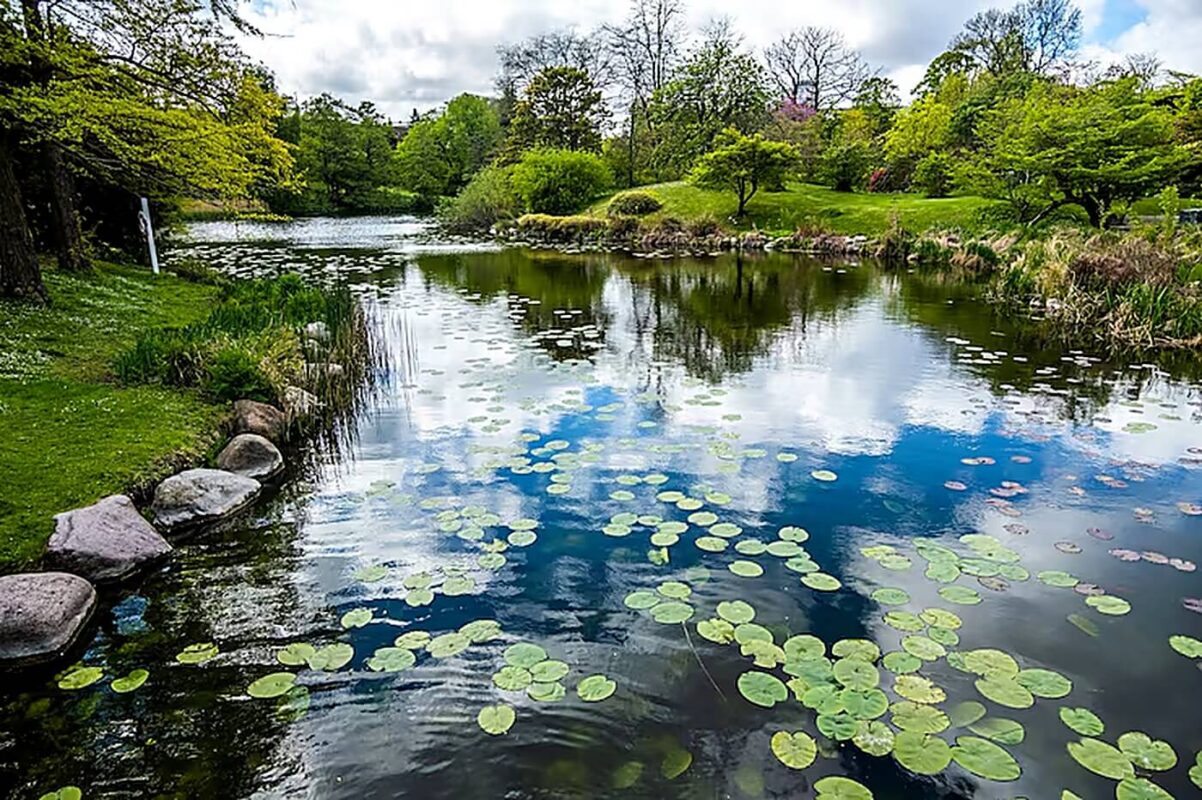
Creating new ponds in suitable locations can provide significant benefits for wildlife, plants and wider ecosystems. Across the UK, ponds are an important freshwater habitat, supporting a surprisingly wide range of species despite their relatively small size.
Research into pond creation in agricultural landscapes has shown that carefully designed and well-positioned clean-water ponds can significantly increase freshwater plant diversity and provide valuable habitats for rare and declining species.
For landowners, farmers and those involved in countryside management, creating a pond can therefore be more than a landscape improvement. When planned correctly, it can become an important part of a wider biodiversity strategy.
Why Are Ponds Important for UK Biodiversity?
Ponds are among the most widespread freshwater habitats in the UK. They can be found across a variety of landscapes, including farmland, woodland, grassland, parks, gardens and rural areas.
Although ponds are often overlooked compared with rivers and lakes, they can support a diverse combination of aquatic, marginal and terrestrial species. Plants, insects, amphibians and other wildlife can all benefit from suitable pond habitats.
A well-established pond can provide:
- Habitat for aquatic and wetland plants
- Breeding areas for amphibians
- Feeding opportunities for insects and birds
- Drinking water for wildlife
- Shelter and habitat for invertebrates
- Connections between different wildlife habitats
- Greater ecological diversity within agricultural landscapes
The condition and location of a pond are particularly important. A pond containing clean water and surrounded by suitable vegetation can provide considerably greater biodiversity benefits than a waterbody exposed to pollution or excessive nutrient runoff.
New Ponds Can Increase Freshwater Plant Diversity
Long-term research carried out in farmland demonstrated the potential impact of creating new clean-water ponds.
A nine-year project examined the effects of establishing 20 new ponds across approximately 10 square kilometres of farmland. Researchers found that the number of wetland plant species increased by around 26%, while the number of regionally rare plant species increased by approximately 181%.
The research also indicated that some freshwater plants that had become uncommon in the wider countryside were able to return to newly created pond habitats.
These findings highlight how relatively small habitat-creation projects can contribute to wider landscape-scale biodiversity.
Clean Water Is Key to Creating a Successful Wildlife Pond
Simply digging a pond does not automatically guarantee biodiversity benefits. One of the most important factors is the quality of the water entering the pond.
Ponds located where they can receive relatively clean water are more likely to develop into valuable freshwater habitats. Agricultural runoff, road pollutants, excessive nutrients and sediment can all affect water quality and alter the plants and wildlife that a pond can support.
Research has shown that the location of newly created ponds can therefore make a significant difference to their ecological value.
Potentially suitable locations may include areas such as:
- Low-intensity grassland
- Pasture
- Scrub
- Woodland edges
- Existing wildlife corridors
- Areas away from significant pollution sources
Professional assessment and appropriate planning can help determine whether a proposed pond is likely to receive suitable water and support the intended habitat.
Supporting Rare and Declining Species
One of the most important benefits of pond creation is the opportunity to provide habitat for species that are declining elsewhere.
Research associated with pond creation projects has recorded the return of a number of freshwater plants that have become rare across parts of the countryside. Examples include marsh arrowgrass, bristle club-rush and mare’s-tail.
This demonstrates the potential for newly created ponds to act as refuges for species that have lost suitable habitat elsewhere.
Ponds can also form part of a wider network of habitats. When several suitable ponds are established within the same landscape, they can help create additional ecological connections and provide wildlife with more opportunities to move, feed and reproduce.
Pond Creation as Part of Wider Land Management
Creating ponds should not necessarily be viewed as an isolated biodiversity project. It can form part of a broader approach to managing farmland and rural landscapes sustainably.
Other measures that may contribute to freshwater biodiversity include:
- Establishing wildflower and grassland areas
- Planting native vegetation
- Maintaining hedgerows
- Creating buffer strips alongside watercourses
- Reducing nutrient and sediment runoff
- Restoring wetlands
- Improving soil management
- Protecting existing ponds and water features
The most effective approach will depend on the individual site, its existing habitats, drainage characteristics and surrounding land use.
How Ponds Can Help Create More Resilient Landscapes
Freshwater habitats face a range of pressures, including pollution, habitat loss, changes in land use and the effects of climate change.
Creating additional high-quality ponds can increase the amount of available freshwater habitat within a landscape. This can provide wildlife with additional places to live and reproduce while helping improve ecological resilience.
A network of ponds can be particularly valuable because individual waterbodies may experience different environmental conditions. Having multiple habitats across a landscape can provide greater opportunities for species to survive changing conditions.
However, pond creation needs to be carefully planned. Poorly located or poorly designed ponds can fail to deliver the expected ecological benefits and may create other environmental or management issues.
Ponds Can Be a Cost-Effective Biodiversity Measure
One of the notable findings from the research was the relatively low cost of creating the new ponds compared with the biodiversity benefits observed.
The original project reported construction costs of approximately £1,500–£2,000 per pond. Actual costs today can vary considerably depending on factors such as pond size, ground conditions, excavation requirements, access, spoil management and site preparation.
For landowners considering habitat creation, this demonstrates why ponds can be worth considering alongside other biodiversity measures.
The important point is that the ecological value of a pond depends on more than simply creating a hole in the ground. Location, water quality, design and ongoing management all play a role.
Protecting Existing UK Ponds Is Just as Important
While creating new ponds can deliver significant biodiversity benefits, protecting existing ponds should also be a priority.
Older ponds may already support established populations of aquatic plants, amphibians, insects and other wildlife. Removing vegetation, allowing excessive sediment to accumulate or introducing pollutants can gradually reduce their ecological value.
Regular assessment can help identify problems before they become more serious.
Depending on the pond and its surroundings, management may include controlling invasive species, managing excessive vegetation, reducing pollution risks and maintaining appropriate surrounding habitats.
Any intervention should be carefully considered to avoid disturbing established wildlife.
Creating Ponds With Biodiversity in Mind
A successful wildlife pond does not need to be enormous. In fact, one of the key lessons from freshwater conservation research is that relatively small ponds can have an important ecological role.
When planning a new pond, consideration should be given to:
Location: Choose a site where water quality can be protected and where the pond can contribute to the surrounding habitat network.
Water source: Understand where the water will come from and whether it could contain nutrients, sediment or pollutants.
Pond design: Incorporate varying depths and gently sloping margins where appropriate to create different habitat conditions.
Surrounding vegetation: Native plants and suitable vegetation around the pond can provide additional shelter and food sources.
Long-term management: Consider how the pond will be maintained as vegetation develops and ecological conditions change.
A Small Pond Can Make a Big Difference
Ponds may occupy only a small part of the UK landscape, but their contribution to biodiversity can be much greater than their physical size suggests.
Research has demonstrated that strategically creating clean-water ponds can increase freshwater plant diversity and provide opportunities for rare and declining species to return.
For farmers, landowners, developers and countryside managers, pond creation can therefore be an effective way to introduce new wildlife habitat while contributing to broader biodiversity objectives.
The key is thoughtful planning. A pond designed around water quality, location, habitat connectivity and long-term ecological management is far more likely to deliver meaningful environmental benefits.
As pressure on freshwater ecosystems continues, protecting existing ponds and creating new, high-quality habitats can play an important role in supporting biodiversity across the UK countryside.
