


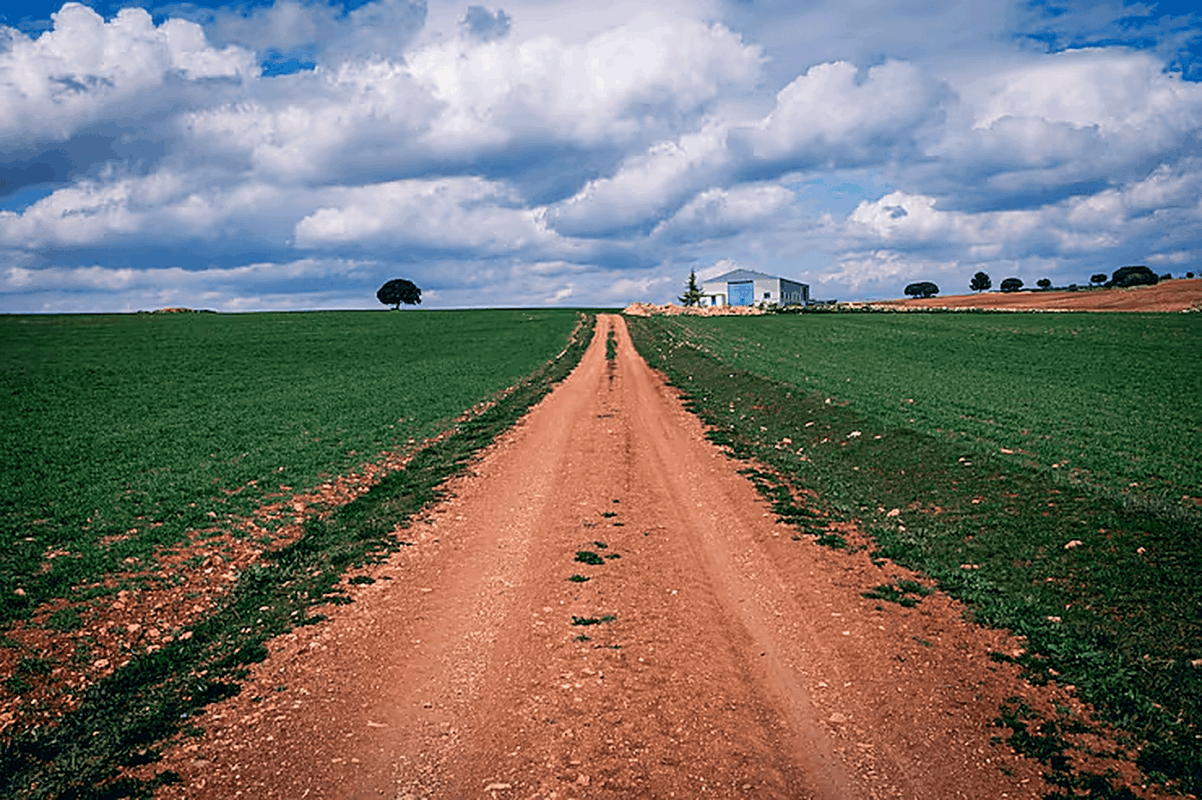
A reliable farm track needs to cope with tractors, trailers, livestock vehicles, delivery vans and changing British weather. Whether you are improving an existing access route or creating a new farm track, choosing the right surfacing material can have a major impact on durability, drainage, maintenance and long-term costs.
Two popular options for agricultural access roads and farm tracks are road planings and crushed stone. Both can create a hard-wearing surface when installed correctly, but they perform differently depending on the ground conditions, level of traffic, drainage and intended use.
So, are road planings or crushed stone better for a farm track?
The answer depends on the site. Road planings can provide a cost-effective, compacted surface, while crushed stone can offer excellent drainage and a robust foundation when used as part of a properly constructed track.
What Are Road Planings?
Road planings are reclaimed asphalt materials produced when existing road surfaces are removed or milled during resurfacing works. They contain fragments of bituminous road material and aggregate and can be reused for various applications, including farm tracks, access roads, yards and hardstanding areas.
Once spread and compacted, road planings can bind together to form a firm and relatively smooth surface.
This makes them attractive for landowners looking for a practical and potentially economical alternative to newly quarried aggregate.
Road planings can be suitable for:
- Farm tracks
- Agricultural access roads
- Private driveways in appropriate circumstances
- Farmyards
- Machinery storage areas
- Access routes to barns and outbuildings
- Temporary construction access
- Rural commercial access areas
Their suitability depends on the existing ground, drainage and how the material is installed.
What Is Crushed Stone?
Crushed stone is produced by mechanically crushing natural rock or suitable aggregate into different sizes and grades. It is widely used in groundworks and construction to form sub-bases, access tracks, hardstanding areas and roads.
For a farm track, different grades may be used at different stages of construction.
Larger aggregate can provide a strong foundation, while smaller graded stone can help create a more compact and stable surface.
One of the main benefits of crushed stone is its versatility. The material can be selected according to the requirements of the site, allowing a track to be designed around factors such as traffic levels, soil conditions and drainage.
Road Planings vs Crushed Stone: Key Differences
Both materials can work well for farm tracks, but they have different characteristics.
Cost
Road planings can sometimes be a more economical surfacing option, particularly where reclaimed material is readily available locally.
However, the overall cost should not be based purely on the price of the material. Ground preparation, excavation, drainage, transport, spreading and compaction can all contribute significantly to the final cost of a farm track.
Crushed stone may have a higher material cost in some situations, but a properly designed aggregate track can provide a durable long-term solution.
Durability
Both road planings and crushed stone can provide good durability when installed over a suitable foundation.
Road planings compact effectively and can form a dense surface capable of handling regular agricultural traffic.
Crushed stone can also provide excellent durability, particularly when the track includes a properly constructed sub-base and appropriate surface aggregate.
The quality of the underlying ground preparation is often just as important as the material chosen.
Drainage
Drainage is one of the most important considerations when building a farm track in the UK.
Heavy rainfall, saturated soils and standing water can quickly damage poorly constructed access routes.
Crushed stone generally provides good drainage characteristics, particularly when correctly graded and installed.
Compacted road planings can become relatively dense and may shed water rather than allowing it to pass through the surface. This means suitable falls, ditches, drainage channels or other water-management measures may be particularly important.
Appearance
The appearance of the finished track may also influence your choice.
Road planings typically create a darker, asphalt-like appearance as they compact and bind together.
Crushed stone has a more traditional gravel or aggregate appearance and can be selected in different sizes and types to suit the surrounding landscape.
For agricultural properties where the track is highly visible from the house or public road, appearance may be an important consideration.
Are Road Planings Good for Farm Tracks?
Road planings can be an effective option for farm tracks when the site is suitable and the material is installed correctly.
Their ability to compact and bind can create a relatively firm surface that is suitable for tractors and other agricultural vehicles.
They can also be useful where a landowner wants to improve an existing muddy or uneven track without the expense associated with a more extensive engineered road construction.
However, road planings should not simply be tipped onto soft ground and expected to provide a permanent solution.
Good preparation is essential.
The existing surface may need to be cleared, shaped and stabilised before the planings are distributed and compacted. Drainage should also be considered from the beginning.
Is Crushed Stone Better for a Farm Track?
Crushed stone can be an excellent choice where drainage, stability and long-term performance are priorities.
A properly constructed stone track can incorporate several layers, with the underlying sub-base providing structural support and the upper surface providing a suitable running surface for vehicles.
This approach can be particularly beneficial where:
- The ground is soft or poorly drained
- Heavy agricultural machinery uses the track
- The route is used throughout the year
- The site experiences significant rainfall
- The track needs to withstand repeated loading
- Long-term durability is a priority
The precise specification should be determined according to the individual site rather than using the same construction method for every farm.
Why Ground Preparation Matters
Whichever material you choose, the condition of the ground underneath the track is critical.
Simply placing aggregate or road planings over soft, saturated or unstable soil can result in rutting, potholes, movement and surface deterioration.
Depending on the site, preparation may include:
- Removing unsuitable topsoil
- Levelling the route
- Improving the formation
- Installing a suitable sub-base
- Using a geotextile membrane where appropriate
- Improving drainage
- Installing drainage ditches or channels
- Adding and compacting suitable aggregate
- Creating appropriate surface falls
A properly prepared foundation helps distribute vehicle loads and reduces the risk of the track breaking down under repeated use.
Farm Track Drainage: Why It Shouldn’t Be Overlooked
Poor drainage is one of the biggest causes of farm track problems.
Water can weaken the underlying ground and cause the surface material to move or become rutted. During periods of heavy rain, a poorly drained track can quickly become muddy and difficult for vehicles to use.
Good drainage design may include suitable crossfalls, side ditches, drainage channels, culverts or other measures depending on the site.
The objective is to prevent water from sitting on the track and to direct surface water away safely.
For this reason, drainage should be considered as part of the overall farm track construction rather than treated as an afterthought.
Which Is Best for Heavy Farm Machinery?
Farm tracks often need to support significant loads.
Modern tractors, trailers, telehandlers and other agricultural machinery can place considerable pressure on the surface, particularly when the ground is wet.
Both road planings and crushed stone can be suitable for agricultural traffic when correctly specified and installed.
However, the construction beneath the surface is crucial.
A strong sub-base, good compaction and effective drainage can make a substantial difference to how the track performs under heavy machinery.
If the track is regularly used by particularly heavy vehicles, it is worth having the construction assessed based on expected loading rather than simply choosing a surface material.
Road Planings or Crushed Stone for Wet Ground?
For wet or poorly drained ground, crushed stone may offer advantages because of its drainage characteristics and ability to form part of a structured track construction.
However, simply adding more stone does not necessarily solve a drainage problem.
If water cannot escape from the track, even a substantial amount of aggregate can eventually become unstable.
In these circumstances, improving the formation and drainage may be more important than choosing between road planings and crushed stone.
Which Farm Track Material Requires Less Maintenance?
The maintenance requirements will depend heavily on how well the track was originally constructed.
A properly compacted road planing surface can require relatively little maintenance once established, although potholes, surface damage and drainage issues may still need attention.
Crushed stone tracks may require occasional grading, levelling or topping up, particularly where vehicles create ruts or where aggregate is displaced.
Regular maintenance can help prevent small problems from becoming expensive repairs.
Keeping drainage channels clear and addressing standing water early can also significantly extend the useful life of a farm track.
Can Road Planings and Crushed Stone Be Used Together?
Yes. The two materials do not necessarily have to be treated as competing alternatives.
Depending on the project, different aggregates can be used at different stages of construction.
For example, a suitable stone sub-base may provide the structural foundation, while road planings could be used as a compacted upper surface.
The appropriate combination will depend on the soil, drainage, vehicle loading, access requirements and available materials.
Using a combination of materials can sometimes provide a balance between structural performance and cost.
What Is the Best Material for a Farm Track?
There is no universal answer because every farm track is different.
Road planings may be a practical option where cost, compaction and a firm finished surface are priorities.
Crushed stone may be more suitable where drainage, structural stability and long-term performance are particularly important.
The best solution should take into account:
- Soil and ground conditions
- Drainage
- Expected vehicle traffic
- Vehicle weight
- Track length and width
- Existing track condition
- Local weather and rainfall
- Availability and delivery costs
- Maintenance requirements
- The desired appearance
A professional groundworks assessment can help establish which construction method is appropriate for the site.
How to Build a Durable Farm Track
Choosing the material is only one part of creating a reliable agricultural access road.
A durable farm track typically starts with good planning and ground preparation.
The process may involve assessing the existing ground, establishing suitable levels, improving drainage, preparing the formation, installing the required sub-base and placing the chosen surface material.
Each layer should be appropriately spread and compacted to create a stable finished route.
Correct installation can help reduce problems such as:
- Potholes
- Rutting
- Standing water
- Surface movement
- Muddy sections
- Edge deterioration
- Uneven surfaces
Investing in proper construction at the beginning can reduce ongoing maintenance and improve the usability of the track throughout the year.
Farm Track FAQs
Are road planings cheaper than crushed stone?
Road planings can be a cost-effective alternative to some types of new aggregate, but the final cost depends on availability, transport, preparation, installation and site conditions. A cheaper material does not necessarily result in the cheapest completed track.
Can road planings be used on a muddy farm track?
They can be used to improve a muddy track, but simply placing planings over saturated ground may not provide a long-term solution. Ground preparation and drainage should be addressed first.
Is crushed stone suitable for tractors?
Yes. Crushed stone is widely used for access routes and hardstanding areas capable of supporting agricultural machinery when correctly specified and installed.
Do farm tracks need drainage?
Good drainage is highly important for most farm tracks, particularly in areas with poor soils, heavy rainfall or frequent vehicle movements. Effective water management can help protect the track and extend its lifespan.
How thick should a farm track be?
There is no single suitable depth for every farm track. The required construction depends on soil conditions, traffic, vehicle loading, drainage and the materials being used. A site-specific assessment is recommended.
Can a farm track be built over grass?
A new track should generally be properly prepared rather than simply placing aggregate over existing grass. The appropriate preparation will depend on the condition of the ground and the intended use of the track.
Do road planings need compacting?
Yes. Compaction is important to help road planings bind together and form a stable surface. Suitable plant and installation methods should be selected according to the site.
Choosing the Right Farm Track Solution
Road planings and crushed stone can both provide practical solutions for agricultural tracks, but the right choice depends on more than the price or appearance of the material.
For a long-lasting result, consider the complete construction of the track, including ground preparation, sub-base, drainage, surface material and compaction.
A well-designed farm track should be able to cope with the demands of agricultural vehicles while remaining usable through changing UK weather conditions.
If you are planning a new farm track, agricultural access road, private access route or rural hardstanding area, professional groundworks can help ensure the construction is suitable for the site and intended use.
Dig It Up Groundworks provides groundworks and excavation services for projects requiring durable, practical and properly prepared access solutions. Contact the team to discuss your farm track requirements and determine the most suitable approach for your property.
