



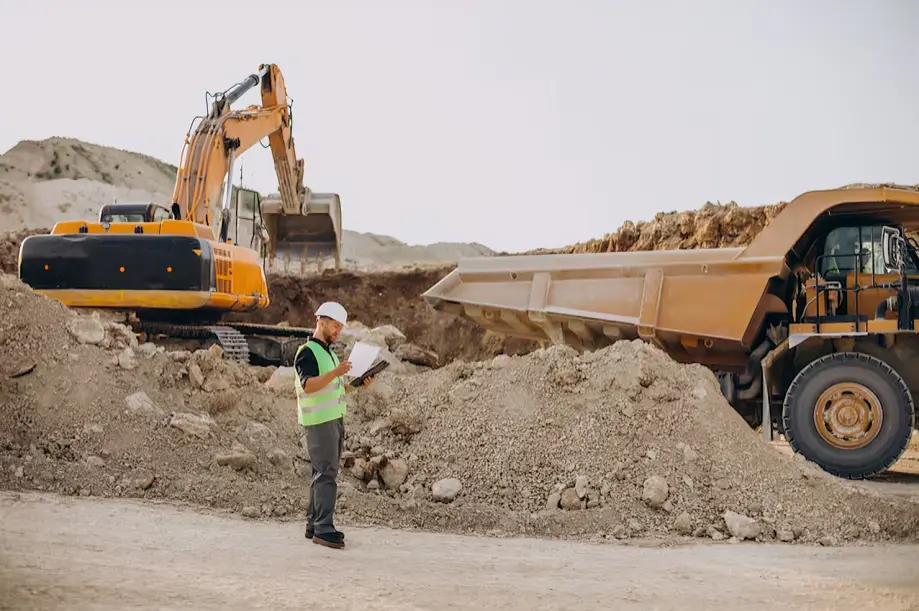
Whether you’re carrying out groundwork for a new housing development, repairing underground utilities or undertaking civil engineering works, excavation is only one part of the job. What happens to the material removed from the ground—known as spoil—is just as important as the digging itself.
Responsible spoil management is essential for maintaining a safe construction site, protecting the environment, complying with UK waste regulations and keeping projects running efficiently. From the moment soil is excavated until it is reused or disposed of, every step requires careful planning and professional handling.
In this guide, we’ll explain what excavated spoil is, how it is managed on construction sites and why proper spoil disposal should never be overlooked.
What Is Excavated Spoil?
Excavated spoil is the material removed from the ground during digging or excavation works. The exact composition depends on the site, ground conditions and the type of project being undertaken.
Spoil commonly includes:
- Topsoil
- Clay
- Sand
- Gravel
- Stones and rock
- Subsoil
- Construction rubble
- Organic material such as roots or vegetation
In some cases, excavation may also uncover contaminated material, including previously buried waste, hydrocarbons, asbestos-containing materials or chemically polluted soil. These materials require specialist handling and disposal in accordance with UK environmental legislation.
Understanding the type of spoil being excavated is the first step in determining whether it can be reused on site or needs to be transported to a licensed waste facility.
Why Spoil Management Matters
Spoil management is about much more than removing unwanted soil. Poor handling can create safety hazards, delay construction programmes, increase project costs and result in environmental offences.
A well-planned spoil management strategy helps to:
- Maintain a clean and organised construction site
- Improve health and safety for workers and visitors
- Prevent pollution of surrounding land and watercourses
- Reduce unnecessary transportation costs
- Comply with UK environmental and waste regulations
- Support sustainable construction practices
Effective planning also ensures the right equipment, storage areas and disposal methods are in place before excavation begins.
Step 1: Excavating and Collecting the Material
The spoil management process starts as soon as excavation begins.
Depending on the nature of the project, contractors may use traditional excavators, trenchers, vacuum excavation equipment or specialist machinery to remove material safely and efficiently.
As spoil is excavated, it is either loaded directly into vehicles, placed in designated storage areas or collected in sealed containers, depending on the excavation method being used.
Professional operators continuously assess ground conditions throughout the excavation process to ensure the material is handled safely while avoiding unnecessary disturbance to the surrounding area.
Step 2: Temporary Storage on Site
Excavated spoil is often stored temporarily before it is either reused or transported away.
Storage areas should be carefully selected to minimise disruption to ongoing works while ensuring the material does not create hazards for workers or nearby properties.
Good site management includes:
- Clearly designated spoil stockpile areas
- Measures to prevent excessive dust
- Protection against erosion during heavy rainfall
- Segregation of different material types
- Safe access for loading equipment and vehicles
Keeping spoil organised also makes it easier to assess which materials are suitable for reuse.
Step 3: Assessing Whether the Spoil Can Be Reused
One of the most sustainable approaches to excavation is reusing spoil wherever practical.
Many construction projects can reuse excavated materials for purposes such as:
Backfilling Excavations
Suitable soil can often be returned to trenches once underground services have been installed, reducing the need to import new fill material.
Landscaping
Topsoil and suitable subsoil may be reused during final landscaping works, helping create gardens, embankments and green spaces.
Ground Levelling
Clean excavated material can be used to raise or level sections of a site where engineering specifications allow.
Site Remodelling
Large developments frequently reuse spoil to reshape land levels, reducing both waste and transportation costs.
Before reuse, contractors should ensure the material meets engineering, environmental and planning requirements.
Step 4: Handling Unsuitable or Contaminated Spoil
Not all excavated material can be reused.
If spoil is contaminated or unsuitable for construction purposes, it must be managed carefully to protect workers, neighbouring properties and the wider environment.
Potential contaminants include:
- Oil and fuel residues
- Heavy metals
- Industrial chemicals
- Asbestos-containing materials
- Hazardous construction waste
- Previously buried refuse
When contaminated spoil is discovered, contractors typically follow strict procedures, including:
- Stopping work where necessary
- Isolating the affected area
- Identifying the contamination
- Recording the findings
- Informing the client and relevant project stakeholders
- Arranging transportation by authorised waste carriers
- Disposing of material at licensed treatment or disposal facilities
These procedures help ensure legal compliance while reducing environmental risks.
Step 5: Transporting Spoil Safely
Once spoil is ready to leave site, it must be transported safely and responsibly.
Vehicles should be loaded correctly to prevent material escaping during transit, while wheel washing and dust suppression measures may also be used to minimise disruption to surrounding roads and communities.
Using licensed waste carriers and maintaining the appropriate documentation helps ensure all excavated material is tracked from the site to its final destination.
Environmental Responsibility in Modern Excavation
Sustainability has become an increasingly important consideration across the UK construction industry.
Responsible spoil management contributes towards environmental goals by:
- Reducing waste sent to landfill
- Encouraging the reuse of natural materials
- Lowering vehicle movements and transport emissions
- Preventing soil and water contamination
- Supporting sustainable construction practices
Many projects now include waste reduction targets, making efficient spoil management an important part of achieving environmental objectives.
Choosing an Experienced Excavation Contractor
An experienced excavation contractor does much more than dig trenches or prepare foundations.
Professional contractors understand how to assess ground conditions, manage excavated materials safely, comply with waste regulations and minimise disruption throughout the project.
When selecting a contractor, look for one that prioritises:
- Safe working practices
- Environmental responsibility
- Regulatory compliance
- Efficient site management
- Modern excavation equipment
- Sustainable waste management procedures
Choosing a contractor with robust spoil management processes can reduce project risks, improve efficiency and help keep construction programmes on schedule.
Final Thoughts
Excavated spoil is an inevitable part of almost every construction and groundwork project, but it should never be treated as an afterthought. Proper spoil management protects workers, safeguards the environment and helps projects remain compliant with UK regulations.
From careful excavation and temporary storage to material reuse and responsible disposal, every stage of the process contributes to a safer, cleaner and more sustainable construction site.
By working with experienced excavation professionals who follow best practices, developers, contractors and homeowners can ensure their projects are completed efficiently while minimising waste and environmental impact
