


When a property develops significant cracks, uneven floors or signs of foundation movement, the problem should never be ignored. In some cases, underpinning in the UK may be required to strengthen and stabilise the foundations and protect the long-term structural integrity of the building.
Underpinning is a specialist construction technique used when existing foundations are no longer capable of safely supporting a property. It can be particularly relevant to older homes, properties built on challenging ground conditions, buildings affected by subsidence and structures where nearby construction has altered the surrounding soil.
This guide explains what property owners should know about underpinning for UK properties, including why it may be needed, the warning signs to look for, common underpinning methods and the importance of professional structural assessment.
What Is Underpinning?
Underpinning is the process of strengthening, stabilising or extending the foundations beneath an existing building.
Rather than simply repairing visible cracks, underpinning addresses problems affecting the ground or foundations supporting the structure. Depending on the circumstances, this may involve extending the existing foundations deeper into more stable ground, strengthening sections of the foundation or transferring the building’s load to a different support system.
The appropriate solution depends on factors such as:
- The property’s construction
- Existing foundation design
- Soil and ground conditions
- The cause of foundation movement
- The extent of structural damage
- Drainage and water conditions
- Nearby trees and vegetation
- Previous building work
- Local construction activity
For this reason, underpinning should not be recommended simply because cracks have appeared. A qualified professional should first establish the underlying cause.
When Is Underpinning Needed?
There are several circumstances in which underpinning may become necessary.
Subsidence
Subsidence occurs when the ground beneath part of a property moves or loses its ability to adequately support the building. It is one of the most commonly associated reasons for foundation stabilisation.
UK properties can be affected by subsidence for various reasons, including shrinkable clay soils, changes in moisture levels, leaking drains and the influence of vegetation.
However, not every property showing signs of subsidence requires underpinning. In some cases, repairing defective drainage, removing the underlying cause or carrying out other remedial work may resolve the problem.
Weak or Inadequate Foundations
Older properties may have foundations that are shallow or unsuitable for modern structural requirements. Extensions, alterations or changes to the surrounding ground can also expose weaknesses in an existing foundation system.
Underpinning can sometimes be used to improve the foundation’s capacity and provide more reliable support.
Changes in Ground Conditions
Ground conditions can change over time. Water movement, soil shrinkage, soil consolidation and changes caused by construction can all influence foundation performance.
Where ground movement is affecting a property, a specialist assessment can determine whether foundation strengthening is appropriate.
Structural Alterations and Extensions
Major alterations can change how loads are distributed through a building. An extension constructed close to an existing foundation, for example, may require careful consideration of foundation depth and load transfer.
Underpinning may sometimes be incorporated into a wider structural solution where existing foundations need additional support.
Signs Your Property May Have Foundation Problems
Recognising potential warning signs early can help prevent a minor issue from developing into a more serious structural problem.
Common signs include:
- New or worsening cracks in walls
- Cracks around windows and door openings
- Diagonal cracks extending from corners
- Doors or windows becoming difficult to open
- Uneven or sloping floors
- Gaps developing between walls and ceilings
- Cracks that continue to widen
- Distortion around openings
- Visible movement in external brickwork
- Separation between an extension and the main building
It is important to remember that cracking does not automatically mean a property needs underpinning.
Buildings naturally experience some movement, particularly older properties. Seasonal changes can also cause minor cracking as materials respond to changes in temperature and moisture.
The location, size, direction and progression of cracks are all important when assessing their significance.
How Is Underpinning Carried Out?
The underpinning process varies depending on the property and the underlying cause of movement.
Generally, the process begins with an investigation of the building and surrounding ground. This may include a structural assessment, examination of existing foundations, monitoring of movement and investigation of drainage or other contributing factors.
Once the cause has been identified, a suitable underpinning method can be designed.
Mass Concrete Underpinning
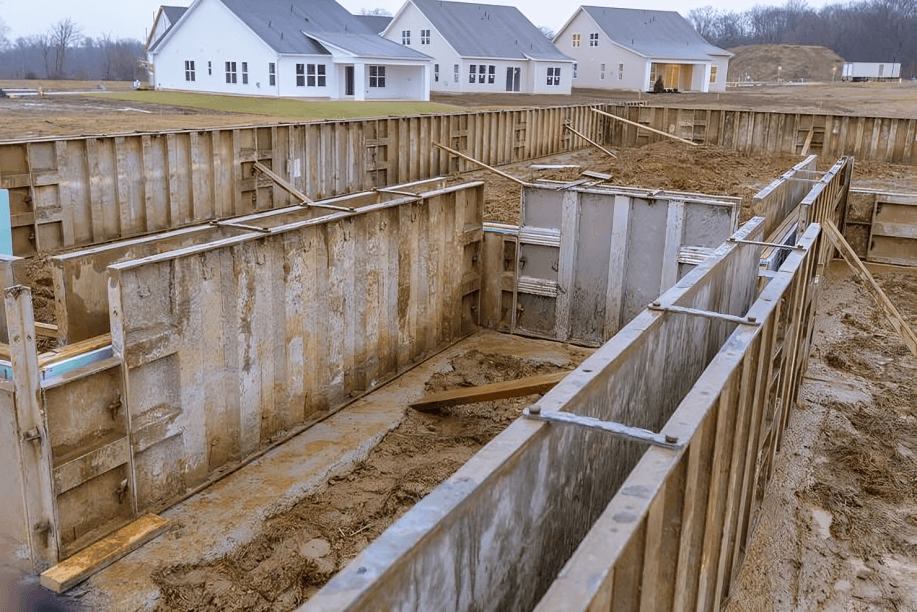
Traditional mass concrete underpinning involves excavating carefully controlled sections beneath an existing foundation and filling them with concrete.
The work is normally carried out in stages rather than excavating continuously beneath the building. This helps maintain structural support while the new foundation sections are installed.
Beam and Base Underpinning
A reinforced concrete beam can be constructed beneath, alongside or across the existing foundation. Loads can then be transferred through the beam to strategically positioned supporting bases.
This approach can be suitable for certain properties where conventional underpinning would not be the most practical solution.
Mini-Piled Underpinning
Mini-piled systems use small-diameter piles installed deep into the ground to transfer building loads to more stable strata.
This method can be useful where suitable bearing ground is located at considerable depth, where access is restricted or where ground conditions make traditional excavation unsuitable.
Resin Injection and Other Ground Stabilisation Techniques
In some circumstances, ground improvement techniques may provide an alternative to conventional underpinning.
Specialist resin injection systems, for example, can be used in certain situations to improve ground conditions and stabilise affected areas. Their suitability depends heavily on the cause and extent of movement.
A structural engineer or appropriately qualified specialist should determine whether such a technique is appropriate for a particular property.
Underpinning and Subsidence: Are They the Same Thing?
No. Subsidence and underpinning are not the same thing.
Subsidence describes a type of ground movement in which the ground beneath a property sinks or loses support. Underpinning is one potential engineering solution for stabilising foundations where the underlying problem cannot otherwise be adequately resolved.
For example, if leaking drainage is causing soil erosion beneath a property, repairing the drainage may address the cause. If the foundations remain unstable after the underlying problem has been resolved, further structural work may then be considered.
This distinction is important because underpinning is a significant construction intervention and should not be undertaken without establishing why the movement is occurring.
How Much Does Underpinning Cost in the UK?
The cost of underpinning in the UK varies considerably from one property to another.
Factors influencing the overall cost can include:
- Size and type of property
- Length of foundation requiring support
- Depth of excavation
- Ground conditions
- Underpinning method
- Site accessibility
- Structural design requirements
- Drainage repairs
- Temporary support requirements
- Ground investigation
- Building control requirements
- Associated repair and reinstatement work
Because every property is different, a reliable price cannot usually be established from the visible cracking alone.
A professional assessment and appropriate structural design should be completed before obtaining detailed quotations.
Does Underpinning Require Planning Permission?
Planning permission and building regulations are separate considerations.
Underpinning may not always require planning permission in itself, but building regulations and structural requirements can apply. The exact requirements depend on the nature and location of the work.
Properties in conservation areas, listed buildings or locations subject to additional restrictions may also require further consideration.
Before starting underpinning work, property owners should establish the applicable requirements with the relevant professionals and local authority.
Does Underpinning Affect Property Value?
Underpinning does not automatically mean that a property has permanently lost its value.
The effect can depend on the original cause of movement, the quality of the remedial work, supporting engineering documentation and whether the property has remained stable afterwards.
For homeowners considering selling a property that has previously undergone underpinning, keeping records such as structural reports, guarantees, invoices and relevant building control documentation can be extremely valuable.
Clear documentation can help demonstrate what work was completed and why.
How Long Does Underpinning Take?
The duration of underpinning depends on the scale and complexity of the project.
A relatively small area may be completed more quickly than extensive work affecting a large section of a building. Access, excavation depth, ground conditions, structural requirements and additional remedial work can all influence the programme.
Before work begins, the contractor should provide a clear explanation of the proposed sequence, expected duration and any requirements for access to the property.
Why Professional Assessment Matters
One of the biggest mistakes property owners can make is assuming that serious-looking cracks automatically mean underpinning is required.
A proper investigation can help distinguish between:
- Cosmetic cracking
- Seasonal movement
- Settlement
- Subsidence
- Drainage-related ground movement
- Foundation failure
- Structural movement caused by alterations
- Movement associated with nearby trees or vegetation
Identifying the actual cause is essential because the correct solution may be considerably different from underpinning.
A structural engineer or suitably qualified building professional can assess the evidence and recommend an appropriate course of action.
Underpinning for Older UK Properties
Many older homes were constructed using traditional materials and foundation arrangements that differ from modern construction.
Properties built on clay soils, made ground or areas with historic drainage issues may require particular care when foundation movement occurs.
Older buildings can also have experienced decades of alterations, extensions and repairs. Understanding the property’s construction history can therefore be an important part of investigating structural movement.
Rather than applying a standard solution, underpinning should be designed around the specific characteristics of the building and its site.
Choosing an Underpinning Specialist
If underpinning has been recommended, selecting the right contractor is an important decision.
Look for a company with relevant experience in:
- Residential underpinning
- Foundation stabilisation
- Subsidence-related work
- Structural repairs
- Ground conditions relevant to your area
- Working on older UK properties
- Coordinating with structural engineers
- Building regulations and site safety
Ask for a detailed explanation of the proposed method, scope of work and expected timescale.
It is also sensible to check references, insurance, guarantees and previous project experience before appointing a contractor.
Protecting Your Property’s Foundations
Not every foundation problem can be prevented, but sensible property maintenance can reduce the likelihood of avoidable issues becoming serious.
Homeowners should keep an eye on:
- Blocked or damaged gutters
- Leaking underground drains
- Persistent waterlogging
- Changes in external ground levels
- Large trees close to buildings
- Cracks that are increasing in size
- Changes to doors and windows
- Previous extensions or structural alterations
Promptly investigating unusual movement can make it easier to identify and address the underlying cause.
Final Thoughts on Underpinning in the UK
Underpinning is a specialist solution for properties experiencing foundation instability, but it should never be treated as an automatic response to cracking.
The most important step is establishing why the movement is occurring. Once the cause has been properly investigated, a suitable structural solution can be considered.
Whether the issue involves subsidence, inadequate foundations, changing ground conditions or structural alterations, professional assessment is essential. The right approach can help stabilise the building, protect its structural integrity and provide greater confidence in the property’s long-term performance.
If you have noticed persistent cracking, uneven floors or other signs of possible foundation movement, arranging a professional structural assessment is a sensible first step before considering underpinning for your UK property.
